High Demand
Skilled trades are often in high demand, and this demand is expected to continue to grow.
Job Security
Skilled trades are less susceptible to automation compared to other industries. This can provide a higher degree of job security in a rapidly changing job market.
Competitive Wages
Skilled trades can offer competitive wages and good earning potential, especially as you gain experience and expertise in your chosen filed. Some trades even offer the potential for six-figure salaries.
Career Progression
Many skilled trades offer clear paths for career progression. You can start as an apprentice, gain experience, and work your way up to more advanced roles, including a supervisory or managerial position.
Shorter Training Period
Compared to a traditional four year college degree, many skilled trades can be entered into with less time and financial investment.
Hands-On Work
If you enjoy working with your hands and prefer practical, real world applications of skills, the skilled trades offer a tangible and fulfilling work experience.
Independence
Some skilled trades allow you to work independently or as a freelancer, giving you more control over your work and schedule.
Variety of Specializations
Within the skilled trades, there are numerous specializations to choose from, allowing you to find a niche that aligns with your interest and strengths. Whether it’s plumbing, welding, electrical work, HVAC, carpentry, or another trade, there’s likely a field that suits you.
Pride in Craftsmanship
Many skilled trades involve creating or repairing tangible, useful products or structures. This can provide a sense of pride in your work and a feeling of accomplishment.
Learn More about the Trades
Carpenter
- Mean National Wage: $58,210 | $27.99/hour
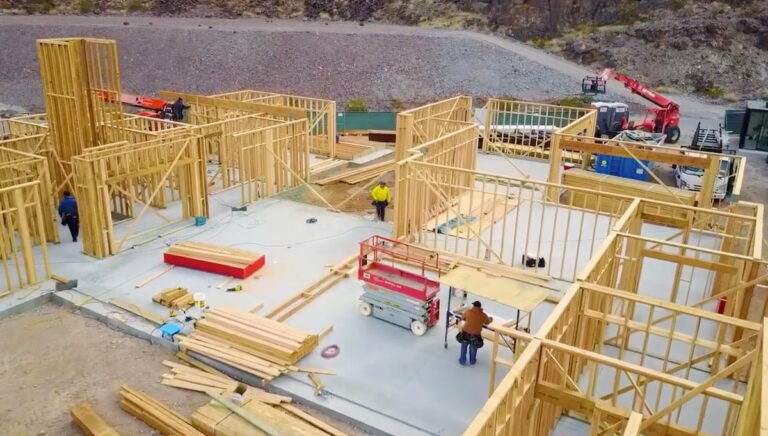
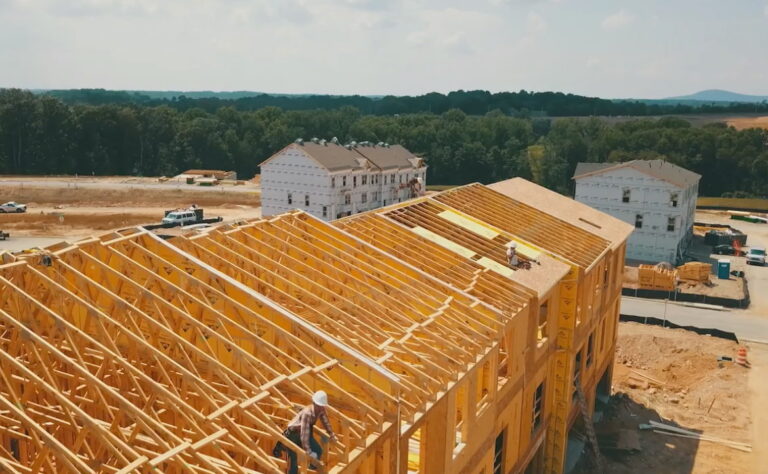
- Carpenters are needed in all areas of construction and are often employed through the entire construction process. Thus, it is one of the most secure jobs within the industry.
- In the carpentry trade you will learn to:
- Frame floors, walls, ceilings and roofs
- Build concrete forms
- Apply plywood, roof paper and shingles
- Build and set cabinets and countertops
- Install doors, windows, trim and siding
- Install floor joists, rafters and trusses
- Lay wood flooring
- Operate table saws, power drills, routers, joiners, planers and nail guns
- Once you complete training, you have a variety of employment options:
- Apprenticeship programs
- Home builders
- Sub-contractors
- Remodelers
- Commercial builders
Electrician
- Average National Wage: $65,280 | $31.39/hour
- Modern life would not be possible without electricians. If you like to know how electric currents make things work, then this is the trade for you. Qualified electricians are always in demand.
- In the electrical trade you will learn to:
- Cut, bend and install metal conduits and wiring
- Hook up electrical appliances
- Install electrical switches and lighting fixtures
- Wire door bells and fire alarms
- Repair power cords and plugs
- Use equipment for testing circuitry
- Safely handle power tools
- Ensure work is done according to relevant codes
- Once you complete training, you have a variety of employment options:
- Apprenticeship programs
- Electrical contractors
- Sub-contractors
- Maintenance company
Plumber
- Average National Wage: $65,190 | $31.34/hour
- Nearly all areas of construction rely on plumbers. If you enjoy working with your hands and solving problems, then this is the trade for you. Plumbers install, repair, and maintain pipes in residential, commercial and/or industrial buildings.
- In the plumbing trade you will learn to:
- Identify hand and power tools
- Cut and install pipes and fittings
- Install fixtures and hot water heaters
- Test water lines for leaks
- Make underground pipe connections
- Install sprinkler systems
- Weld properly
- Once you complete training, you have a variety of employment options:
- Plumbing contractors
- Remodelers
- High-rise and apartment complexes
- Sub-contractors
HVAC Technician
- Average National Wage: $57,460 | $27.63/hour
- Install or repair heating, ventilation, and central air conditioning or refrigeration (HVACR) systems, including oil burners, hot-air furnaces and heating stoves.
- In the HVACR trade you will learn:
- How to maintain, repair and diagnose equipment related to HVACR technology
- Energy auditing green alternatives
- Air conditioning design and layout
- Refrigerant systems
- System charging and system evacuation
- Water treatment
- Boiler operation and safety
- Once you complete training, you have a variety of employment options:
- Commercial service technician
- Heating system installer
- Heating, air conditioning and plumbing contractors
- HVACR mechanic
- Maintain and repair climate control for businesses, schools and hospitals
Masonry
- Average National Wage: $62,380 | $29.99/hour
- Laying brick is one of the oldest and most respected trades in the construction industry. Masonry construction uses brick, stone, marble, granite, travertine, limestone, cast stone, concrete block, glass block, stucco, and tile.
- In the masonry trade you will learn to:
- Mix mortar and lay brick
- Lay out building lines and grades
- Lay floors and stairs
- Mix and place concrete
- Create different textures
- Apply various finishes to concrete
- Once you complete training, you have a variety of employment options:
- Apprenticeship programs
- Masonry contractors
- Sub-contractors
- General contractors
Painter
- Average National Wage: $49,350 | $23.73/hour
- Whenever a home is built, nearly all of the interior and some of the exterior surfaces need to be painted to protect them from damage by water, mold and corrosion. Painting and maintaining painted surfaces improves the appearance and increases the value of a house.
- In the painting trade you will learn to:
- Prepare all types of surfaces — wood, drywall, plaster and masonry
- Mix colors and use a tint machine
- Apply paint, stain, clear finishes, sealants and fillers
- Sand or waterblast
- Use typical and airless spray equipment
- Once you complete training, you have a variety of employment options:
- Drywall contractors
- Painting contractors
- Sub-contractors
- Residential contractors
Drywall & Ceiling Installer
- Average National Wage: $57,880 | $27.83/hour
- Drywall installers and ceiling tile installers hang wallboard and install ceiling tile of interior rooms in buildings. On a daily basis, drywall and ceiling tile installers fit and fasten wallboard or drywall into position on wood or metal frameworks, using glue, nails, or screws. They read blueprints or other specifications to determine methods of installation, work procedures, or material or tool requirements. Although specific duties may vary, many of them remove existing plaster, drywall, or paneling, using crowbars and hammers. It might also be their responsibility to install blanket insulation between studs and tack plastic moisture barriers over insulation.
- In the drywall and ceiling tile installation trade you will learn to:
- Measure, mark, and cut drywall panels according to design plans
- Fasten panels and tiles to support structures
- Measure and cut openings in panes or tiles for electrical outlets, windows, vents, plumbing, or other fixtures
- Use keyhole saws and other cutting tools
- Patch, trim, and smooth rough spots and edges
- Important Qualities
- Ability to work at heights
- Attention to detail
- Balance
- Dexterity
- Math skills
- Physical stamina
- Physical strength
- Once you complete training, you have a variety of employment opportunities:
- Supervisor
- General superintendent
- Project manager
- Estimator
Building Systems Technician
- Average National Wage: $47,430 | $22.80/hour
- Building systems technicians perform work involving the skills of two or more maintenance or craft occupations to keep the structure of a building in good condition. General maintenance and repair workers often carry out many different tasks in a single day working in indoor or outdoor locations. Duties may involve pipe fitting, HVAC maintenance, insulating, carpentry, electrical, and repairing buildings, floors, or stairs.
- In the building systems technology trade you will learn to:
- Read blueprints
- Diagnose and repair basic HVAC, plumbing, electrical and other building issues
- Conduct general maintenance tasks such as painting, carpentry, plastering, or flooring or drywall repair
- Perform safety checks on maintenance systems and equipment
- Important Qualities:
- Dexterity
- Troubleshooting skills
- Versatility
- Time management
- Customer-service and communication skills
- Once you complete training, you have a variety of employment opportunities:
- Apprenticeship programs
- Train and become licensed in one specific trade
- Own a contracting or repair business
Welder
- Average National Wage: $50,460 | $24.26/hour
- Welders working in residential construction typically enjoy more variety of projects within a year. They focus on joining steel beams for building support and pipes for carrying water or natural gas and use hand-welding, flame-cutting, hand-soldering, or brazing equipment to weld or join metal components or to fill holes, indentations, or seams of fabricated metal products.
- In the welding trade, you will learn:
- Safety
- Structural welding
- Applied mathematics
- Ability to weld materials
- Blueprint reading skills
- Important qualities for welders:
- Detail oriented
- Manual dexterity
- Problem-solving ability
- Spatial-oriented skills
- Technical skills
- Once you complete training, you have a variety of employment opportunities:
- Apprenticeship programs
- Supervisor
- Instructor
- Project manager
Entering the skilled trades can offer a promising and fulfilling career path with job security, competitive wages, and opportunities for personal and professional growth.